San Andrés Island: Things to Do, Beaches & Caribbean Travel
San Andrés Island is the most famous beach destination in Colombia and one of the most sought-after Caribbean paradises in Latin America. The island is part of the archipelago and the department of San Andrés, Providencia and Santa Catalina, in the Caribbean Sea about 700 km off the Colombian mainland.
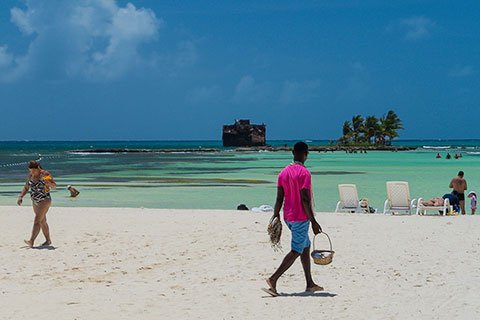
San Andrés's beaches rank among the most beautiful in the Caribbean, with intensely turquoise water and coral reefs that form richly diverse marine ecosystems. That's why the island is one of Colombia's top spots for diving and snorkeling.
The island's history blends Spanish, English and Dutch pasts with the heritage of enslaved Africans and the legends of the pirates and sailors who reached its shores over the centuries.
Many San Andrés locals speak Creole, an island language that mixes British English, Spanish and dialects brought by enslaved Africans — part of the cultural identity that makes the island unique.
The islands of San Andrés, Providencia and Santa Catalina were declared the Seaflower Biosphere Reserve by UNESCO, recognizing the natural richness of their marine and land ecosystems.
How to get to San Andrés from Colombia and abroad
San Andrés lies about 700 km off the Colombian coast. The islands have no regular passenger-ship service, so the practical way to arrive is by air, through Gustavo Rojas Pinilla International Airport (IATA code: ADZ), which receives flights from several cities in the country.
Flights from Bogotá take about 2 hours 20 minutes, and from Cartagena around 1 hour 20 minutes. Airlines such as Avianca, LATAM and Wingo run direct routes from the main Colombian cities.
San Andrés is connected to the islands of Providencia and Santa Catalina by short flights and by boat.
Getting to San Andrés by boat
There is no regular passenger-ship line to the islands. However, some cargo vessels leave the ports of Cartagena and Barranquilla and can occasionally carry passengers. Sailing times vary by vessel and weather: the trip from Cartagena to San Andrés can take 2 to 3 days.
Tourist card and requirements to visit San Andrés
To enter the island, visitors must buy the Tourist Card (also called the entry card), which costs around COP 80,000 (reference value, updated yearly). It is purchased at the departure airport before boarding the flight to San Andrés. Foreign visitors must also present a valid passport.
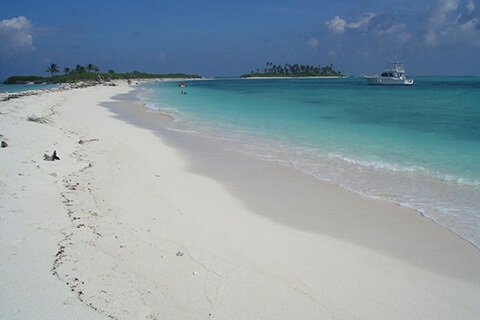
San Andrés travel information: services and island life
San Andrés has all the services travelers need. The town has hotels in every category, Caribbean restaurants, bars and clothing and craft shops. The busiest commercial area is El Centro, facing the tourist pier.
The island's typical architecture can be seen in historic buildings such as the Emmanuel Baptist Church and in the colorful houses of the La Loma neighborhood, home to many raizales, the island's original inhabitants.
At night, locals and visitors head to the bars and clubs where Caribbean rhythms mix: reggae, champeta, vallenato and live music. San Andrés nightlife is part of its charm.
The climate is tropical year-round, with temperatures between 26 °C and 32 °C (79–90 °F). The rainy season runs October to December, while December to April are the driest months and the busiest with tourists.
The best beaches in San Andrés
San Andrés has several incredible beaches, each with a different character. These are the most recommended:
Spratt Bight (Bahía Sardina): the island's most famous beach, with crystal-clear water, white sand and plenty of visitor services. Great for families. It faces the town center.
Cocoplum Bay (Bahía Cocoplum): a famous beach in the San Luis area, with calm waters, coconut palms and water-sports services. Quieter than Spratt Bight.
Rocky Cay (Cayo Rocoso): an uninhabited islet off Cocoplum Bay, reachable on foot thanks to the shallow sea. Perfect for snorkeling.
Sound Bay (Bahía Sonora): on the east side of the island, with waves and very few tourists. Ideal for those seeking peace and quiet.
Playa Charquitos: on the south of the island, a quiet area with few visitors and calm waters. A gem for those who want to escape mass tourism.
Johnny Cay (Islote Sucre): a cay off Spratt Bight, reached by boat, with paradise beaches, palm trees and snorkeling.
Haynes Cay (Islote Córdoba): a beach with turquoise water and a calm sea, ideal for snorkeling. Reached by boat from the San Andrés tourist pier.
El Acuario (Rose Cay): surrounded by coral reefs, it is the best place to watch marine life — tropical fish, turtles, starfish and manta rays. You can reach it on foot from Haynes Cay or directly by boat from the tourist pier.
Top sights and places to visit in San Andrés
The island has many attractions, most easily reached from the town center. Here are the highlights:

Johnny Cay: the most visited cay in San Andrés
This small cay one kilometer off the coast is the most visited by tourists. You reach it on boats that leave constantly from the tourist pier. Johnny Cay has fine white-sand beaches surrounded by tropical palms, and is one of the best snorkeling spots near town.
Morgan's Cave
These seaside caves hold striking rock formations and are wrapped in the stories and legends of the pirates who reached San Andrés in colonial times. An essential cultural and historical attraction.
The Blowhole (Hoyo Soplador)
One of the island's most curious natural phenomena: a geological fault that forms a tunnel ending in a crater, through which jets of seawater shoot up like a geyser, depending on the force of the waves. A must-stop on any island tour.
Alburquerque Cay
A trip to discover the south coast of San Andrés, an area known for its rich fishing and the beauty of waters little explored by mass tourism.
Cocoplum Bay
Cocoplum Bay is ideal for quiet beaches with calm water, coconut palms and few crowds. One of the most photogenic and relaxing corners of the island.
Rose Cay (El Acuario)
This cay, also known as El Acuario (The Aquarium), is the best diving and snorkeling spot in San Andrés. Its marine life — tropical fish, turtles and coral reefs — is spectacular, comparable to the best dive destinations in the Caribbean.
Haynes Cay
Very close to Rose Cay, this spot has small beaches with palm trees and reefs ideal for snorkeling. Go in the early morning to enjoy it in peace.
Coton Cay
Historically used by the English to store cotton and other goods they traded in San Andrés. It is very close to town and is a point of historical and scenic interest.
Activities and water sports in San Andrés
Diving and snorkeling: San Andrés's coral reefs are considered among the best in the Caribbean. The island has several certified dive centers offering beginner courses and outings for experienced divers.
Catamaran trips: sailing or catamaran tours around the island, with stops at the most attractive cays. A very popular option among visitors.
Kayak and paddleboard: available on the main beaches, ideal for exploring the coast at your own pace.
Sport fishing: boats are available for deep-sea fishing, especially in the Alburquerque area.
Golf-cart tours: a very popular way to get around the island, as golf carts are one of the most-used forms of transport for visiting the coast.
Frequently asked questions about San Andrés
The practical way is by air, to Gustavo Rojas Pinilla Airport (ADZ). The flight from Bogotá takes about 2 h 20 min and from Cartagena about 1 h 20 min, with airlines such as Avianca, LATAM and Wingo. There is no regular passenger-ship line.
It is a mandatory entry card to visit the island, bought before boarding the flight. Its cost is updated each year, so check the current price when you travel.
The best known are Spratt Bight (in the center), San Luis and Rocky Cay, plus the cays Johnny Cay and El Acuario / Haynes Cay, ideal for snorkeling.
Do the island loop, visit the Blowhole, Morgan's Cave and West View, go diving and snorkeling on the reefs, and sail the famous sea of seven colors.
Spanish is spoken, along with island Creole, a distinct language mixing British English, Spanish and African dialects, part of the raizal cultural identity.
The weather is warm all year. The dry season runs January to April; the high seasons (year-end, Holy Week and holidays) are busier and more expensive.